Not long ago, digital displays were treated as upgrades—modern replacements for printed signs or projectors meant to improve visibility or aesthetics.
Today, that role is changing.
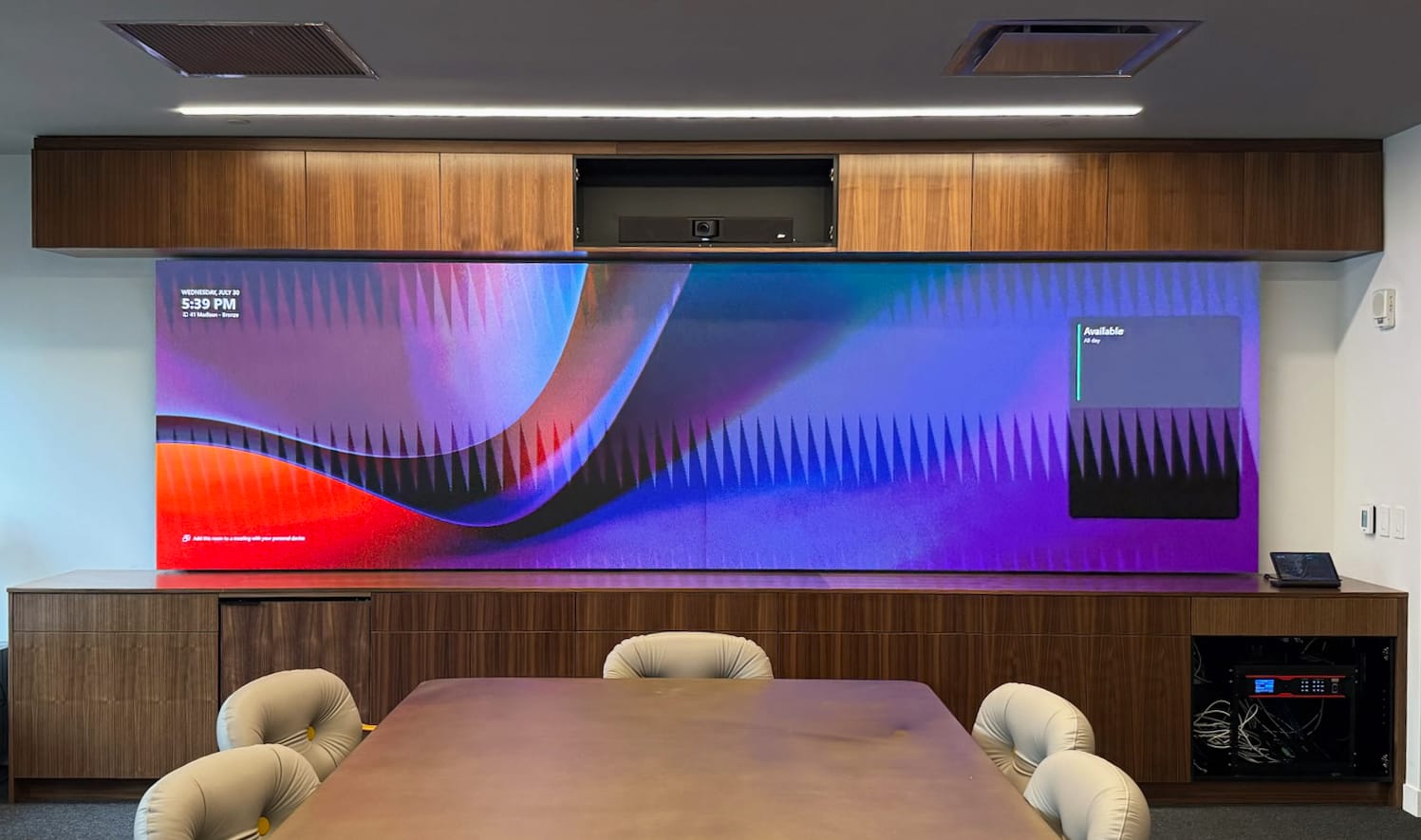
Across corporate campuses, schools, retail environments, and public spaces, LED displays are evolving from simple signage into essential operational infrastructure. Organizations are no longer installing screens just to display content—they’re deploying systems that support communication, engagement, and long-term growth.
The question has shifted from “Do we need a display?” to “How does this display support everything we do?”
LED at Work
See How Purdue University Used LED in Their Brand Studio
What Displays Used to Be
Traditionally, signage served a narrow purpose: promotion.
Retailers advertised sales. Schools shared announcements. Venues displayed schedules. Once installed, content often changed slowly and served a single department or initiative.
But modern environments move faster. Messaging needs to adapt in real time, audiences expect up-to-date information, and organizations require communication tools that work across multiple teams.
Static signage—and even older digital systems—struggle to keep pace with those demands.
LED displays change that dynamic entirely.
The Rise of Always-On Communication
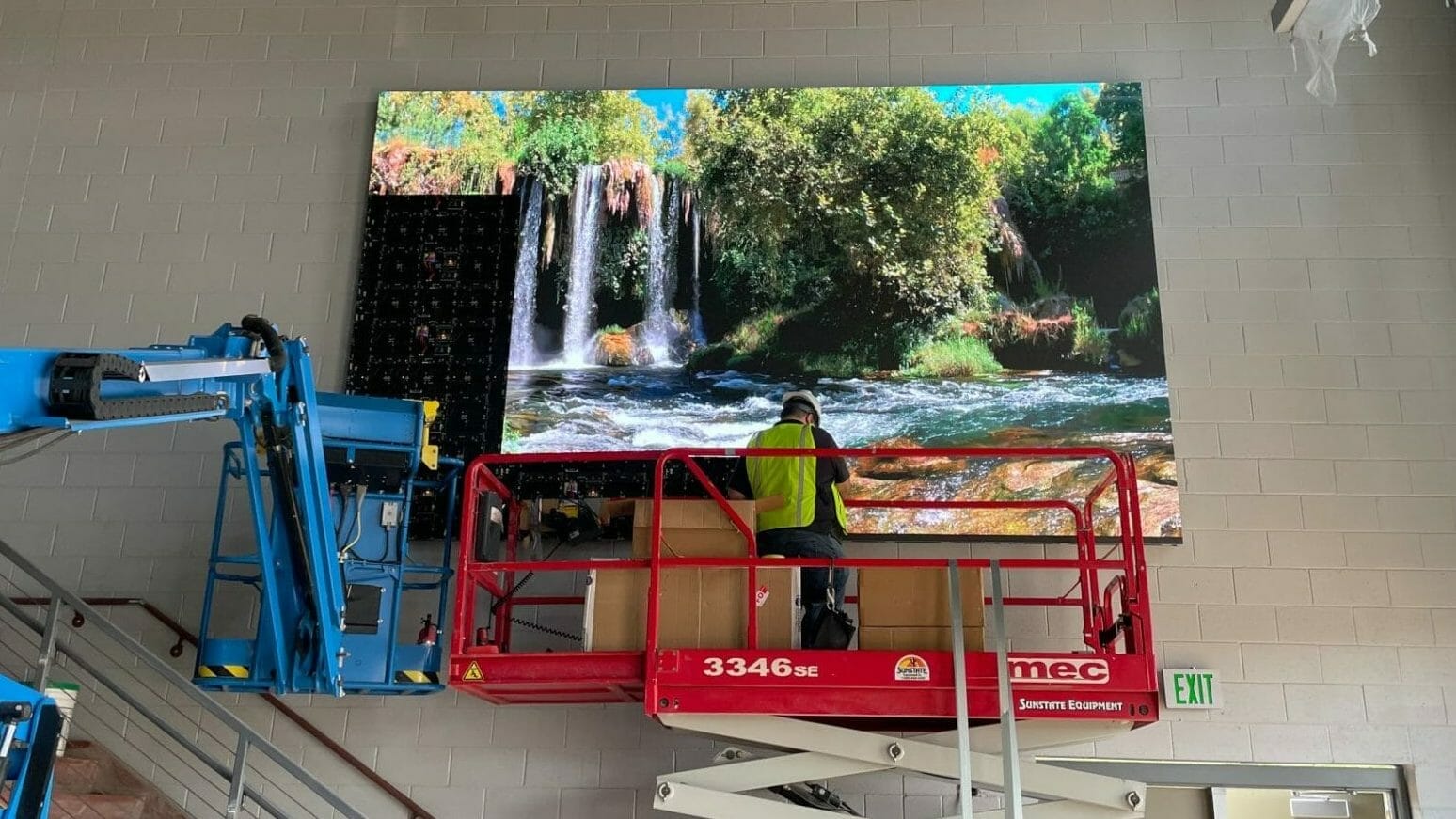
Many organizations first encounter LED when replacing aging TVs or projection systems. As explored in our article on why LED displays are replacing traditional screens, this transition often begins as a technology upgrade—but quickly becomes something more strategic.
We get that today’s operations have to move at lightning speed. Events change, schedules shift, promotions update, and safety messaging must be delivered instantly.
LED displays enable always-on communication across an entire facility or campus.
Instead of relying on emails, printed notices, or manual updates, organizations can instantly share:
- Real-time announcements
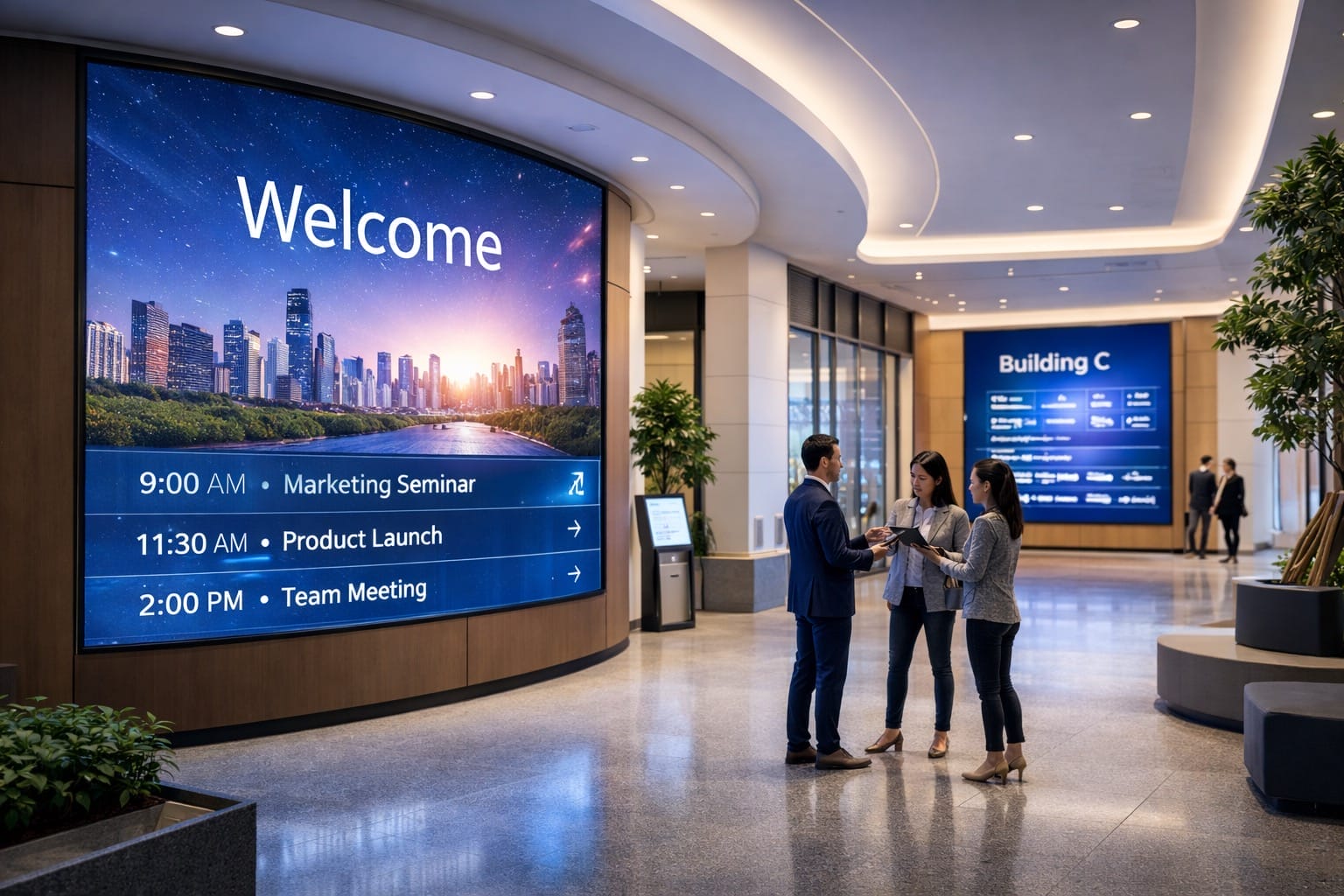
- Event schedules and updates
- Emergency notifications
- Wayfinding information
- Operational messaging
- Brand and cultural communication
Because content can be updated remotely, displays become a centralized communication hub rather than isolated screens.
LED as Operational Infrastructure
Once LED displays are integrated into daily workflows, they begin functioning less like signage and more like infrastructure.
Much like lighting, networking, or security systems, displays become part of how a space operates.
Facilities teams use them for directional messaging. Marketing teams manage promotions. Leadership communicates organization-wide updates. Event teams adapt messaging throughout the day.
A single display system can support multiple departments simultaneously, maximizing both utility and value.
This shift fundamentally changes how organizations plan display investments—from short-term purchases to long-term assets.
Connected Spaces Require Connected Displays
As buildings become smarter, communication systems are expected to integrate seamlessly with broader technology ecosystems.
Modern LED displays can support centralized control, scheduled content deployment, and remote management across multiple locations. Messaging can be coordinated across campuses, storefronts, or venues without requiring on-site updates.
This level of flexibility allows organizations to respond quickly while maintaining consistency across environments.
Displays are no longer standalone hardware—they’re part of a connected digital experience.
Beyond Communication: Driving Engagement and Revenue
As LED displays take on a larger operational role, many organizations discover additional benefits.
Retailers use displays to dynamically promote products and adapt campaigns in real time. Schools and venues rotate sponsor messaging to generate advertising revenue. Corporate environments reinforce brand identity and culture through visual storytelling.
What begins as a communication upgrade often evolves into a platform for engagement—and in many cases, a new source of value.
Planning Displays as Long-Term Assets
When displays function as infrastructure, planning changes.
Instead of asking how large a screen should be, organizations begin asking:
- How will this system grow with us?
- Who will use it across departments?
- How often will messaging change?
- What long-term communication goals should it support?
LED displays are uniquely suited for this approach because of their modular design, scalability, and long operational lifespan.
They can expand, adapt, and evolve alongside the organization itself.
The Future of Visual Communication
The role of displays is continuing to expand. As expectations for communication increase, organizations need tools that are flexible, reliable, and built for continuous use.
LED technology is helping redefine what signage means—not as decoration, but as infrastructure that supports daily operations and long-term strategy.
For organizations planning future spaces or upgrading existing environments, the opportunity is no longer just to install a screen.
It’s to build a communication system designed for what comes next.
Explore Firefly LED’s display solutions or connect with our team to discuss how LED infrastructure can support your organization’s goals.