Transparent LED displays have been generating a lot of buzz lately — and for good reason. The idea of turning a glass wall, storefront window, or architectural surface into a live display without blocking light or sightlines is genuinely compelling. But like most display technology, the real question isn’t whether it’s impressive, it’s whether it’s the right fit for your specific environment.
Here’s what you need to know before making that call.
How transparent LED actually works
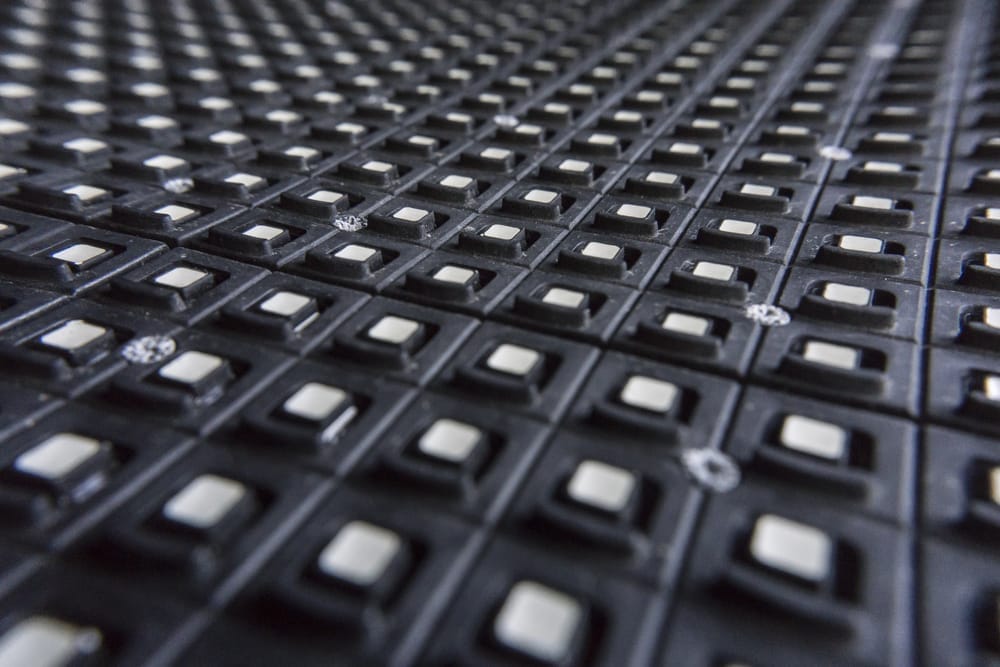
A standard LED display is opaque. The LEDs sit in front of a solid backing, and nothing passes through. Transparent LED flips that model by mounting LED strips or chips onto a structure with significant open space between them — typically 50 to 80 percent of the display surface is empty air. Light passes through those gaps, which is what makes the display see-through.
The result is a screen that shows content when it’s powered on, but allows viewers to see through it — into a retail space, across a lobby, or through a building facade — at the same time.
Where transparent LED performs best
The environments where transparent LED tends to shine are ones where maintaining a visual connection through the screen is as important as the content on it.
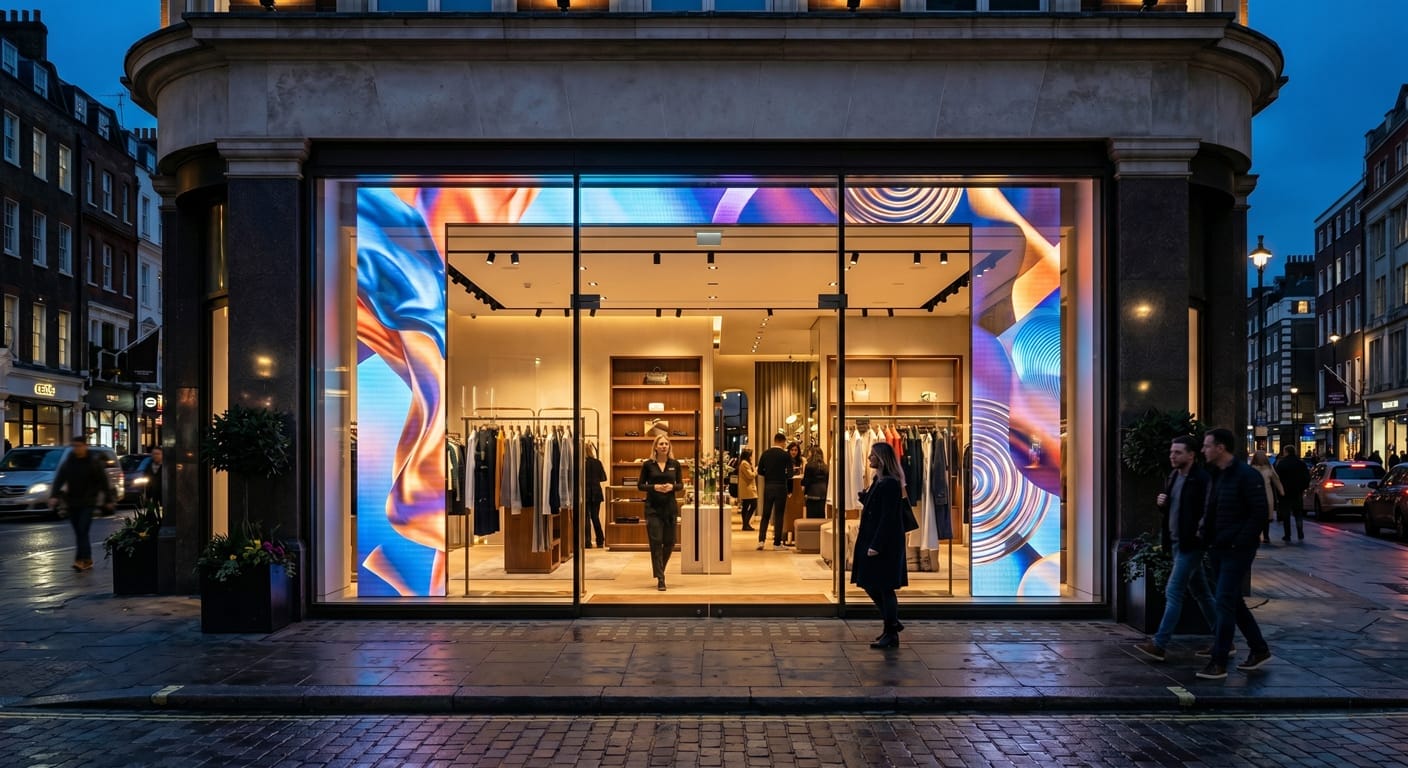
Retail storefronts are the most common and well-suited application. A fashion boutique, electronics retailer, or luxury brand can run dynamic promotions, seasonal campaigns, or product highlights directly on their window glass — capturing attention from foot traffic outside — without blocking the interior view or cutting off natural light. The window stays a window. It just becomes a display at the same time, allowing your products to shine while layering a graphic in front.
Hotel lobbies and hospitality spaces benefit similarly. Transparent displays can show amenity information, wayfinding content, or ambient brand visuals on glass partitions and atrium walls without making the space feel closed off or heavy. The openness of the environment is preserved.
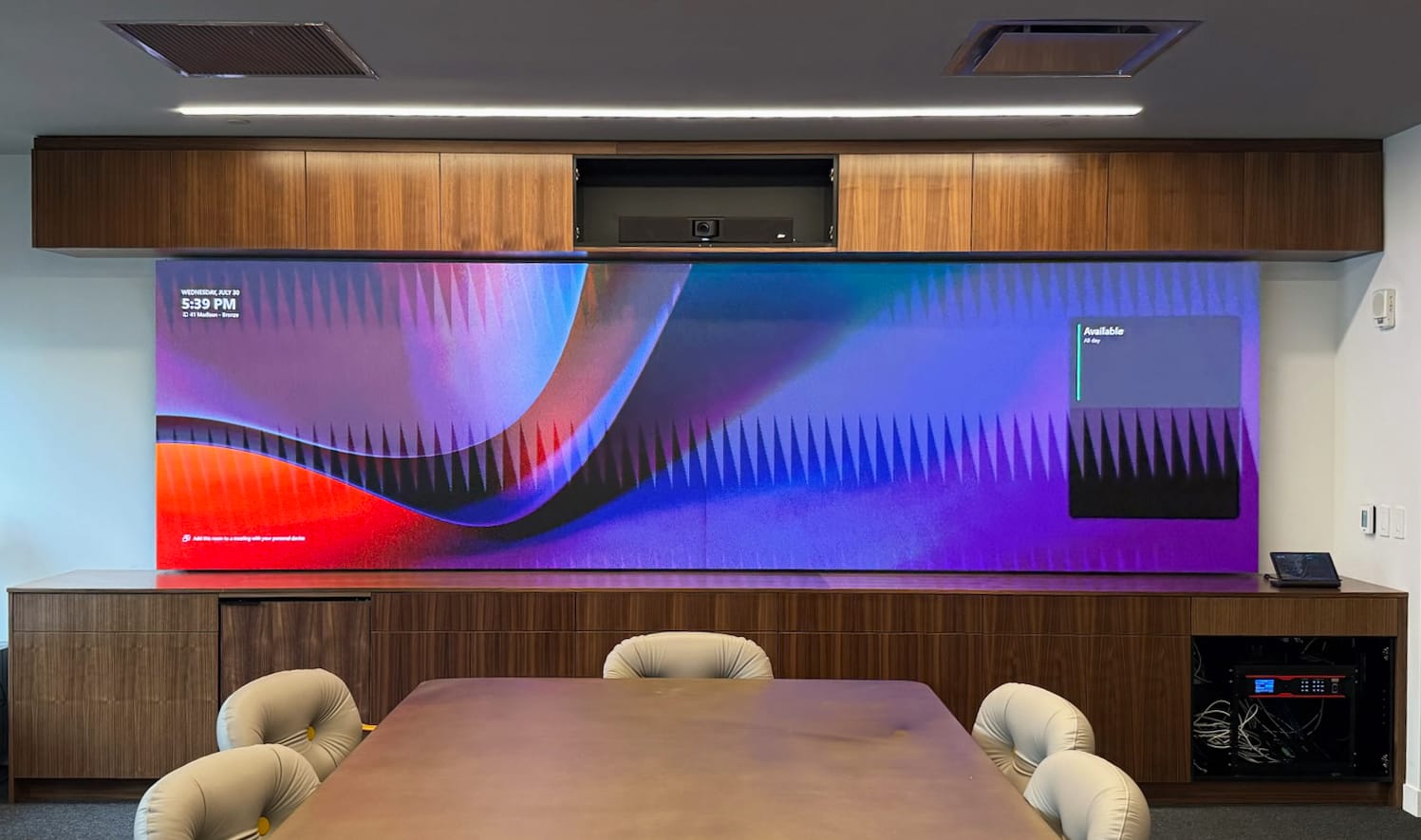
Corporate environments — particularly reception areas, executive floors, and glass-walled conference rooms — are another strong use case. A company can display live data, brand messaging, or welcome content on glass surfaces that would otherwise just be architecture. The effect reads as intentional and high-end without requiring a dedicated wall or mounting structure.
Automotive showrooms are worth mentioning too. Transparent displays let dealers show specs, pricing, and promotional content alongside the actual vehicles, rather than pulling attention away from them.
The honest trade-offs
Transparent LED is a genuine technology with real advantages, but it has constraints that matter depending on where and how you plan to use it.
Brightness is the most important factor to understand. Because a significant portion of the display surface is open air rather than active LEDs, transparent displays produce less light than their solid counterparts. In a controlled indoor environment, 2,000 to 3,000 nits is generally sufficient. But if the screen faces direct sunlight — a south-facing storefront window in the afternoon, for example — you’ll need significantly higher brightness, ideally 6,000 nits or above, to maintain visibility. Getting this wrong means content that washes out exactly when foot traffic is at its highest.
Resolution is another consideration. The open structure that creates transparency also limits how tightly LEDs can be packed. Transparent displays work well for bold visuals, motion content, and larger text — but they’re not the right tool for detailed imagery or fine text at close range. Content strategy matters here as much as the hardware.
Cost runs higher than comparable solid displays. The manufacturing is more complex, yields are lower, and the installation requires more planning around power routing and structural integration. Transparent LED is a premium product and should be evaluated as a long-term investment rather than a quick signage swap.
Finally, content has to be designed for it. Dark or black backgrounds tend to disappear — which can be a feature or a bug depending on the application. Content that uses bright colors and motion on a transparent or minimal background performs best.
When transparent LED is probably not the right call
There are situations where a standard LED display will serve you better, and being clear-eyed about that saves everyone time and budget.
If you need high-resolution, detailed imagery at close viewing distances, a fine-pitch solid display is a better fit. If the installation environment has inconsistent or very bright ambient lighting that you can’t control, you’ll be fighting the screen constantly. And if the “see-through” quality isn’t meaningful to the space — a back wall with nothing behind it, for example — you’re paying for a feature you’re not using.
What to look for when evaluating a transparent LED display
A few specs worth understanding before you buy:
Transparency rate tells you what percentage of the display surface is open. Most commercial transparent LED displays fall between 50 and 80 percent transparency. Higher transparency means more light passes through but generally reduces brightness and pixel density.
Pixel pitch still matters — the smaller the number, the closer the minimum comfortable viewing distance. For retail windows viewed from the sidewalk, a larger pixel pitch is usually fine. For closer interior applications, you’ll want something tighter.
Brightness spec should be evaluated against the actual lighting conditions of your installation environment, not in isolation. Ask what the ambient light conditions will be at peak usage hours and match accordingly.
IP rating matters if the display is in a semi-outdoor or weather-exposed environment. Most transparent LED displays are designed for indoor use and carry an IP30 rating — not suitable for anything exposed to moisture or the elements.
The short version
Transparent LED displays work best when the see-through quality is genuinely valuable to the space — retail windows, glass lobbies, architectural facades, and showroom environments where digital content and physical visibility need to coexist. They require thoughtful content design, proper brightness spec for the lighting environment, and a higher upfront investment than standard displays.
When the conditions are right, the result is striking. When they’re not, a solid LED display will outperform it in almost every metric.
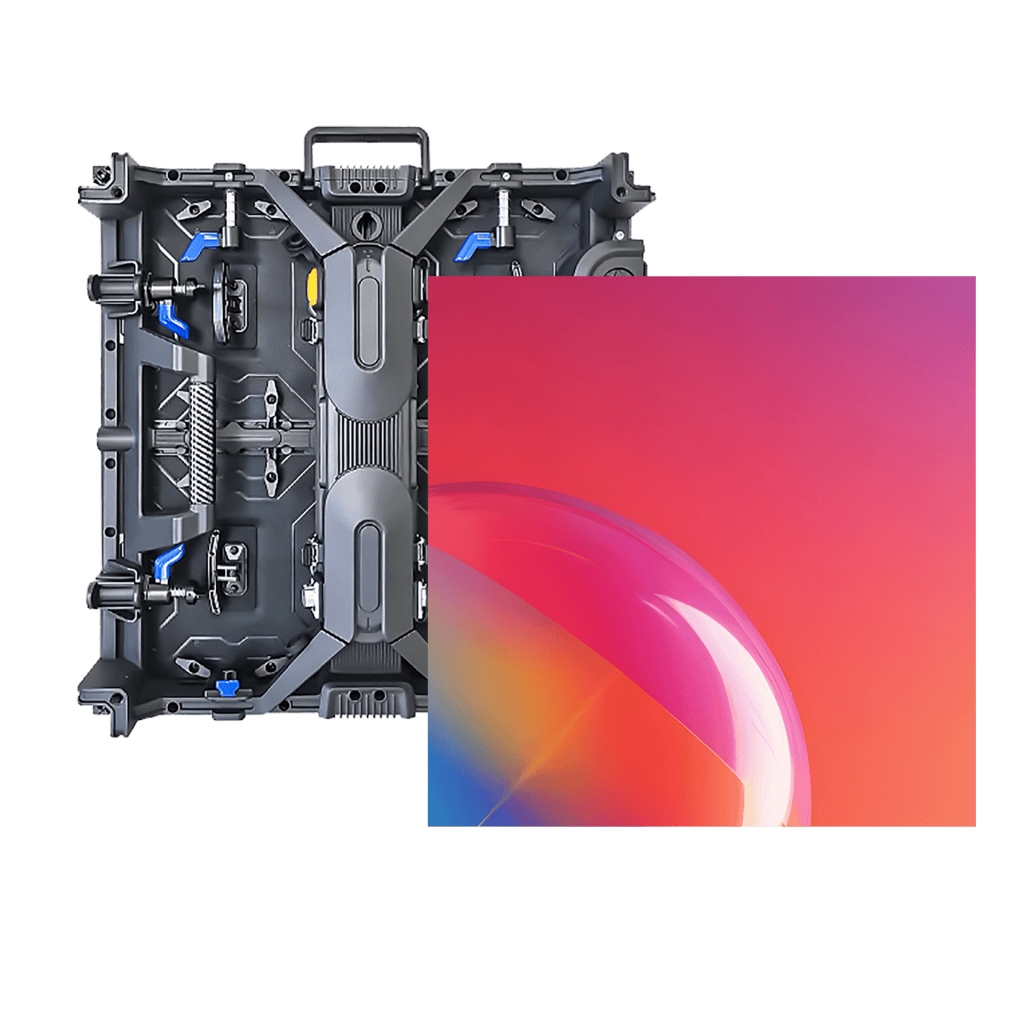
If you’re exploring transparent LED for a retail, hospitality, or corporate environment, Firefly’s C Series is worth a closer look — designed for exactly these applications, with options scaled to a range of installation sizes.