
When the Museum of Christian & Gospel Music opened its doors in downtown Nashville, it had a great story to tell and a tough crowd to tell it to. Its Commerce Street home sits just off Lower Broadway, in a district packed with honky-tonks, hotels, and big-name attractions. A steady stream of visitors passes by from morning to late night, and every building on the block is competing for their attention.
The museum needed a way to announce itself to that crowd, and to give people a reason to step off the sidewalk and come inside. That’s where an outdoor LED sign came in.
The Challenge: Standing Out on One of Music’s Busiest Blocks
Most new attractions can lean on word of mouth and a few months of momentum. The Museum of Christian & Gospel Music didn’t have that luxury. It was opening in one of the most crowded tourism districts in the country, right alongside established names that visitors already knew to look for.
As Executive Director Steve Gilreath put it, the goal was simple: tell the world about the new museum in the epicenter of Nashville’s music tourism.
Why Walk-Up Visitors Mattered Most
Most of the museum’s traffic is walk-up. These guests are already downtown, walking between stops, and deciding where to go next on the spot. For a museum that depends on that walk-up traffic, the building’s exterior is its most important marketing tool. A static banner or painted sign couldn’t keep up with a rotating calendar of exhibits, artist appearances, and sponsors.
The Solution: A Double-Sided O Series Sign on the Facade
Firefly LED partnered with Jarvis Signs to install a vertical, double-sided O Series sign on the museum’s facade. The display measures 4.72′ wide by 12.6′ tall, with an 8mm pixel pitch. Its double-sided build lets it reach pedestrians and drivers coming from either direction down Commerce Street.
The museum’s team uses it 18 hours a day to rotate new exhibits, upcoming artist appearances, and sponsor ads, and they can update content whenever the calendar changes.
A Smooth Install and a Team Ready to Run It
A sign only helps if the people running it feel confident using it. Firefly’s team walked the museum’s staff through day-to-day operation and labeled everything clearly, so there’s no delays or hiccups when it’s time to swap in new content.
“Firefly delivered on its promises. The install was on time, and the attention Will and the team paid us was perfect. Their patient explanation of how to operate it and clear labeling gave my staff everything they need to make it sing. Great partners with a great product!”
Steve Gilreath, Executive Director, Museum of Christian & Gospel Music
Results: A Front Door That Never Closes
The sign went up as the museum opened, so it’s been part of the visitor experience from day one. Here’s what it delivers.
It Turns Passersby Into Ticket Buyers
For a museum built on walk-up traffic, the sign does the work of a greeter standing on the sidewalk. It catches eyes from down the block and gives people a reason to stop.
“This display has been a game changer! Most of our traffic is walk-up, and this display is the bait that catches their eye and drags them in.”
Steve Gilreath, Executive Director
It Opens a New Revenue Stream
Sponsor ads share the rotation with exhibits and events. That turns the sign from a marketing expense into something that helps offset its own cost, since sponsors get premium visibility in one of Nashville’s busiest districts.
It Gives Artists a Spotlight They Love
The museum didn’t see this one coming. Visiting artists love seeing their photo on the sign, and nearly everyone featured stops to take a picture underneath it. Every one of those photos is a chance for the museum to be shared online, turning each appearance into free promotion.
It Put a New Museum on the Map
Maybe the biggest win is the hardest to measure. According to Steve, the sign has established the museum as part of a very busy landscape, right alongside Broadway and other well-known destinations.
“There’s simply no better way to tell our story. This display helps us sell tickets, brings in ad revenue, and gives the museum life!”
Steve Gilreath, Executive Director
About the O Series Outdoor LED Display
Firefly’s O Series is built for permanent outdoor installations that need to perform all day, every day, in every season. It’s a strong fit for building facades, storefronts, and street-level signage where the goal is to reach people on the move.
Why 8mm Works on a City Street
The museum’s sign uses an 8mm pixel pitch. Using the 10x Rule, that means it looks its best from about 80 feet away, which is right where pedestrians and drivers first notice it coming down the block. A finer pitch would add unnecessary cost without a visible payoff at that distance.
Built to Last
Like every Firefly display, the O Series uses high-grade components and a modular design. Firefly also manufactures extra parts for each project, so the museum can maintain and repair its sign for years to come.
Why Outdoor LED Signs Work So Well for Museums
The Museum of Christian & Gospel Music is a great example, but the same benefits apply to museums of any size, from art and history museums to science centers and halls of fame. Here’s why more museums are adding outdoor LED signage to their buildings.
Reach Visitors Before They Decide Where to Go
Tourists and locals often choose their next stop in the moment. An outdoor LED sign meets them right there on the sidewalk, showing what’s inside instead of just naming the building. A short clip of a featured exhibit does more to spark interest than a logo ever could.
Keep Pace With Changing Exhibits and Events
Museums rarely stand still. Temporary exhibits, guest speakers, member nights, and holiday hours all change throughout the year. With LED, staff can update the message in minutes instead of ordering new banners or vinyl for every change.
Turn the Facade Into a Sponsor Asset
Many museums rely on sponsors and donors. A digital sign gives those partners visible recognition on the street, which can make sponsorships easier to sell and renew. It also opens room for paid ad spots, like the ones the Museum of Christian & Gospel Music runs today.
Stay Visible After Hours
A museum’s doors may close at 5 p.m., but foot traffic downtown often doesn’t. An LED sign keeps promoting upcoming exhibits, events, and ticket offers to evening crowds, so the building keeps working even when it’s closed.
Match the Pixel Pitch to Your Street
The right pixel pitch depends on how far away most people will be when they see the sign. Use the 10x Rule: multiply the pixel pitch in millimeters by 10 to find the ideal minimum viewing distance in feet. A sign viewed across a plaza or busy road can use a larger pitch, while one people walk right past may call for a finer one.
Check Local Sign Codes Early
Many cities limit the size, placement, and brightness of digital signs, especially in historic districts. Talk with your city and an experienced partner early in the process, so your design fits the rules from the start.
Outdoor signage is often just the first step. Inside, indoor LED displays can power immersive exhibits, donor walls, and lobby welcome screens that carry the same story through the whole visit.
A Proud Part of Nashville’s Music Story
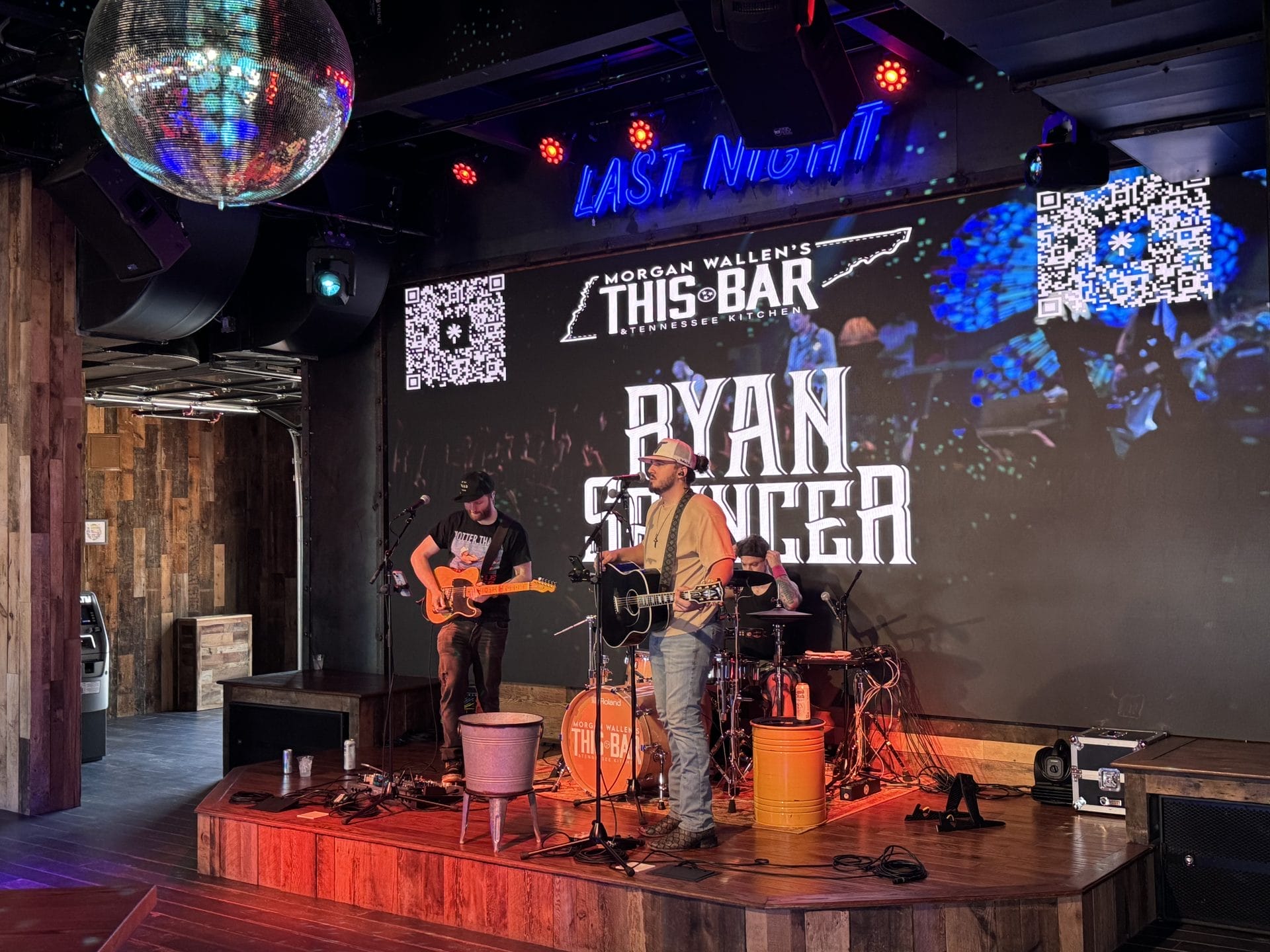
Firefly LED is based just up the road in Gallatin, so projects like this one are close to home. From Morgan Wallen’s This Bar to the Museum of Christian & Gospel Music, we’re proud to help Music City’s venues and attractions tell their stories. And we’re grateful to Steve, his team, and our partners at Jarvis Signs for making this project a success.
If budget is the hurdle, financing through Quail Financial can spread the cost over time, so your museum doesn’t have to wait for a big upfront investment.
Ready to put your own museum on the map? If you already have a size and pixel pitch in mind, our Screen Builder gives you an instant estimate for your outdoor LED sign in just a few minutes.