
Museum LED Video Walls
What Is a Museum LED Video Wall?
An LED video wall for museums is built from modular LED panels that join into one seamless screen. Because the panels tile together with no bezels or seams, the wall can take nearly any size or shape: a wide gallery backdrop, a tall entrance column, a curve that wraps a room, or a transparent pane in front of an exhibit.
That flexibility is what sets LED apart in a museum. A collection is fixed, but the story around it isn’t. Video, archival footage, timelines, and close-up detail can sit right beside the objects they explain, and staff can change that content when a new exhibit opens instead of rebuilding the wall.
Museums use LED in three main places: inside the galleries, in the lobby where every visit starts, and on the building itself, where the job is getting people through the door.
Where LED Video Walls Fit in a Museum
Immersive Galleries
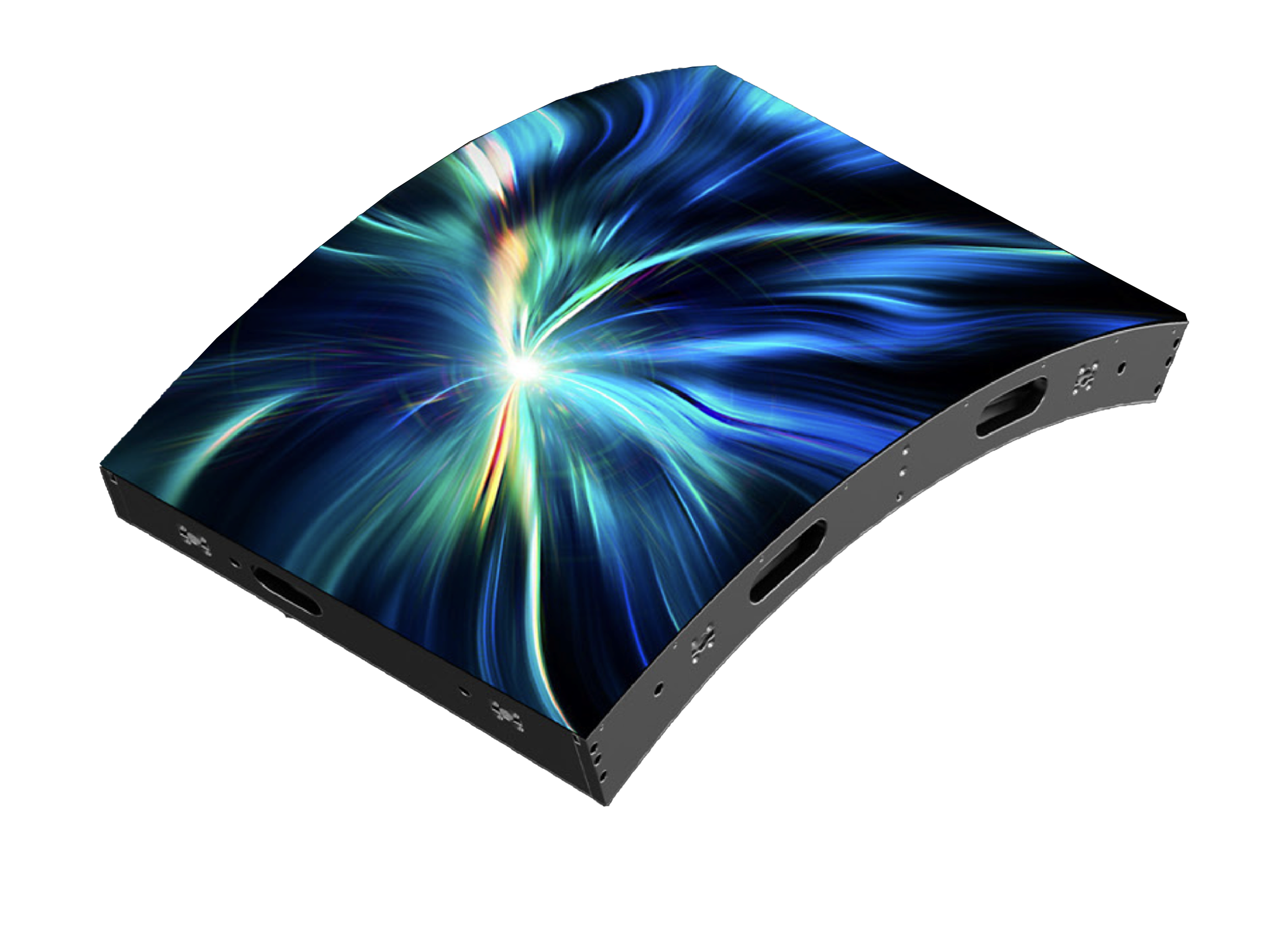
Some stories are too big for a frame on the wall. A curved LED wall can wrap a room, surround a centerpiece, or turn a column into part of the exhibit, so visitors step inside the story instead of reading about it. The Y Series bends up to 60 degrees, which makes it Firefly’s go-to panel for curves, wraps, and shapes a flat screen can’t follow.
Close-Up Exhibit Detail
Museum visitors stand close and look carefully. A display next to an artifact might show archival film, a magnified view of brushwork, or a timeline that puts the object in context. Fine pitch panels like the A Plus Series and A Pro Series stay sharp at a few feet away, so the screen supports the object instead of distracting from it.
Lobbies & Wayfinding
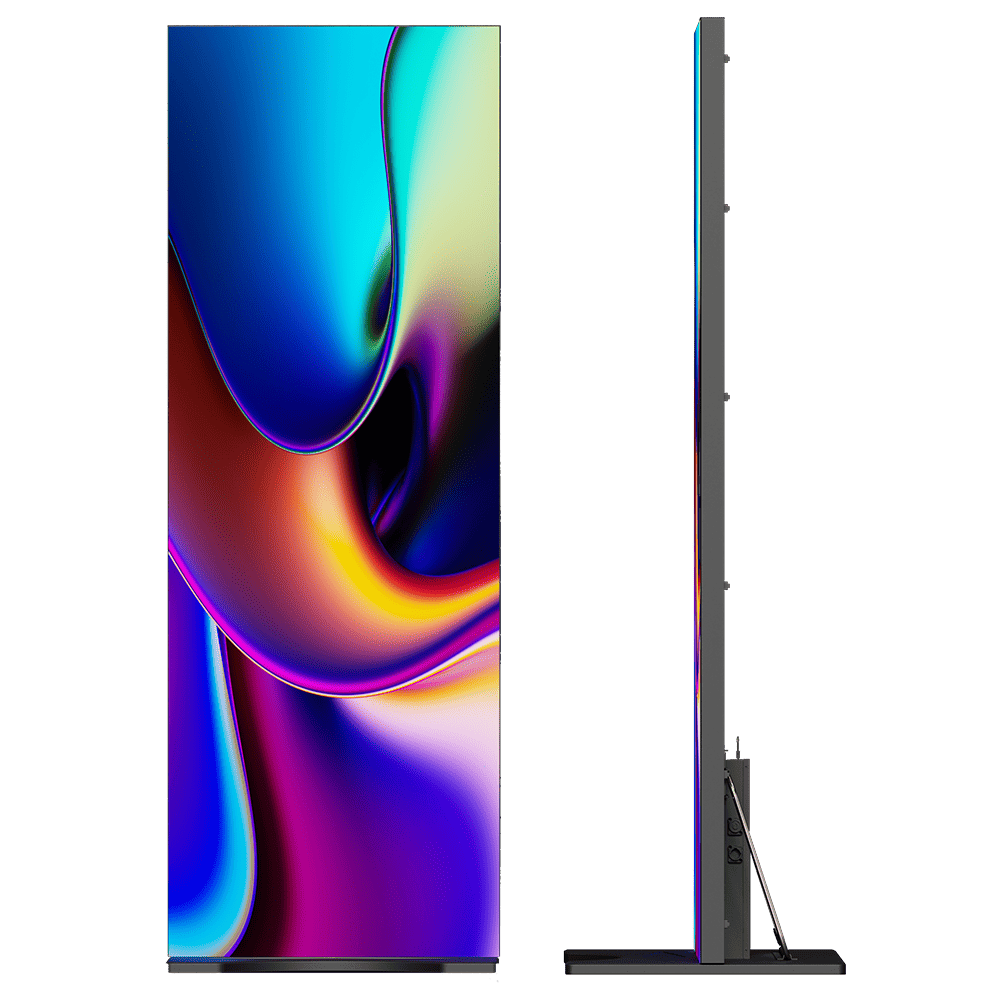
Every visit starts in the lobby, which makes it the most valuable screen space in the building. A video wall there can welcome guests, share today’s schedule, point the way to a new exhibit, and promote member events. Slim, freestanding displays like the Flyer Series also work well at gallery entrances and ticket lines.
Donor & Sponsor Recognition
Museums run on the support of donors, members, and sponsors. A digital donor wall can grow with each new gift, rotate stories about the people behind the support, and give sponsors visible credit for the exhibits they fund. Unlike engraved plaques, it never runs out of room.
Exterior Signs & Street Presence
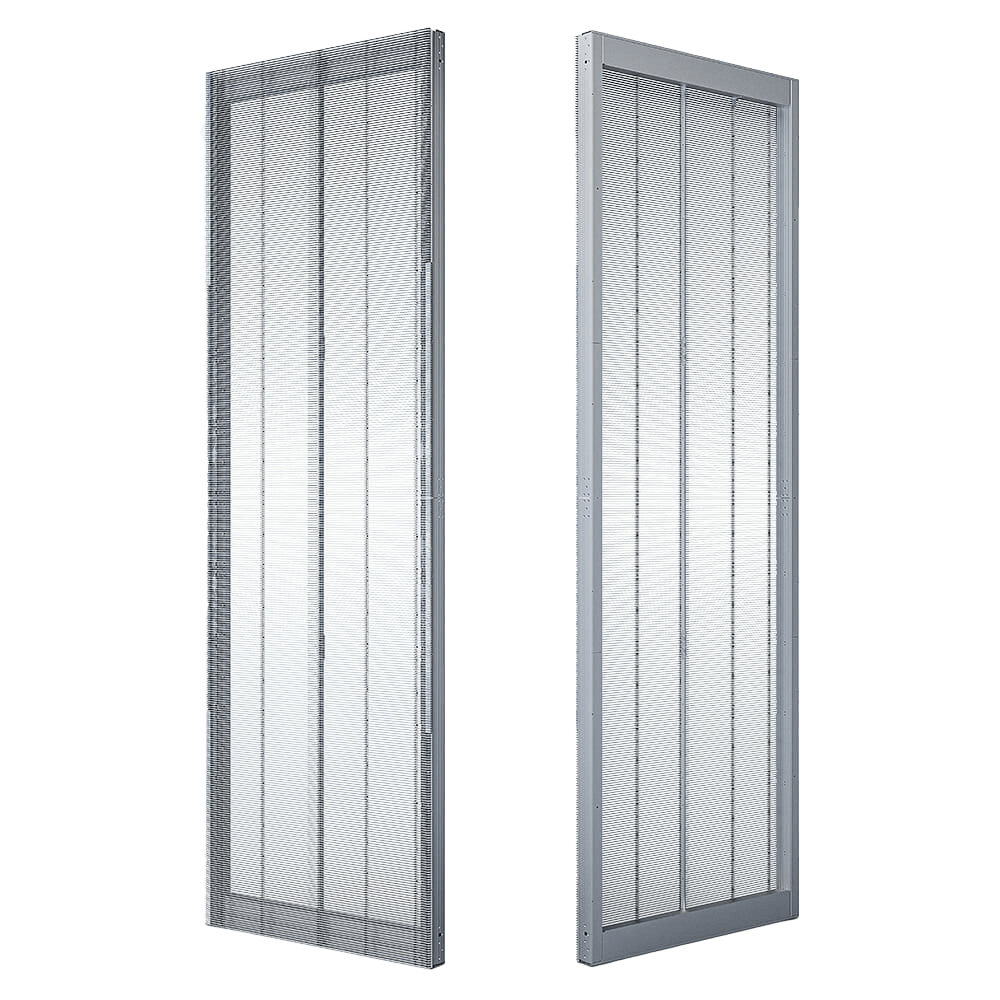
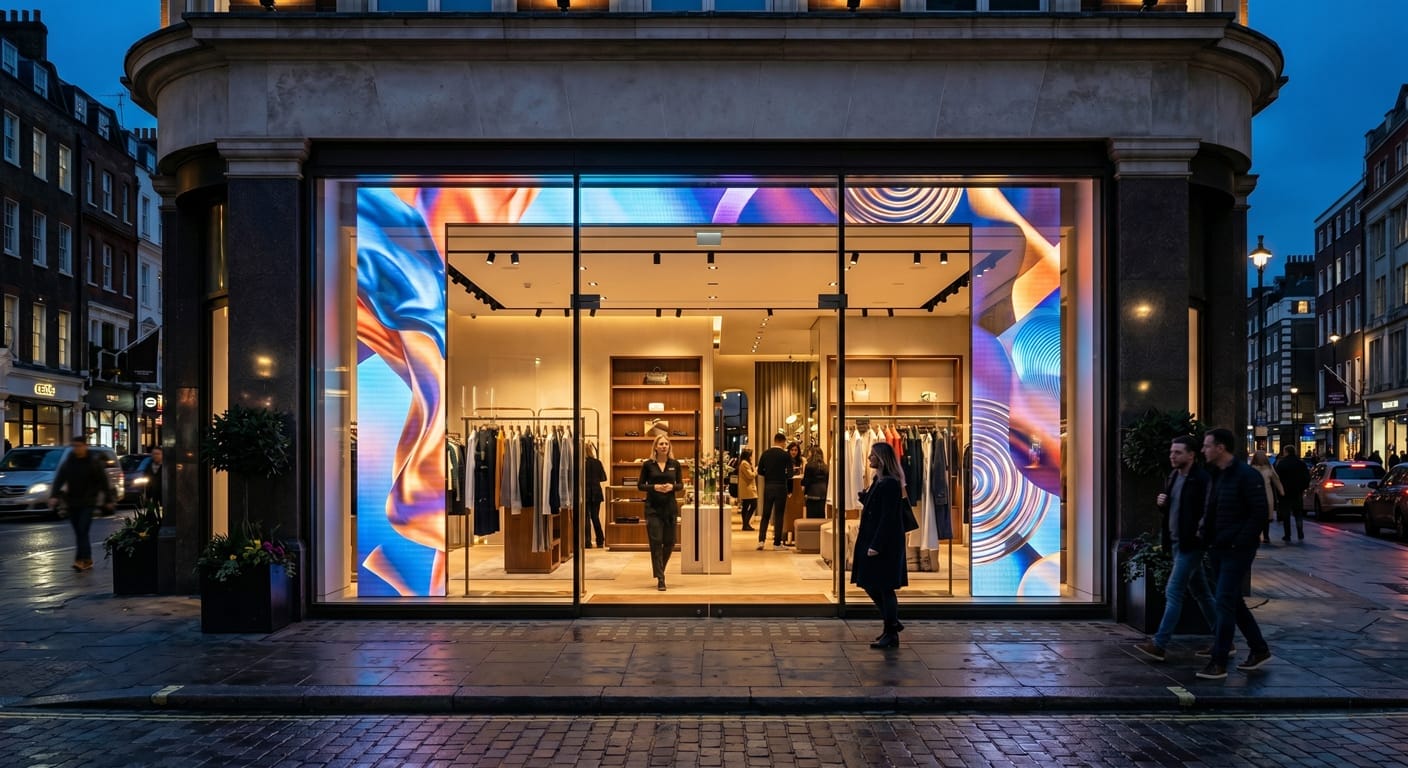
For many museums, the hardest part is getting people through the front door. An outdoor LED sign tells passersby what’s on view right now. The Museum of Christian & Gospel Music in Nashville uses an O Series sign to turn walk-up traffic into ticket sales and earn sponsor revenue. Transparent C Series panels can do similar work from inside a glass entrance, while keeping the view into the building open.
Museum LED Display Products
Indoor Museum LED
A Plus Series
Fine pitch detail at an approachable price, for exhibit screens and lobby walls that visitors see up close.
Best For:
Exhibits, Lobbies
Size(s):
1.97 × 1.10 × 0.11 ft
0.9, 1.2, 1.5, 1.8, 2.5 mm
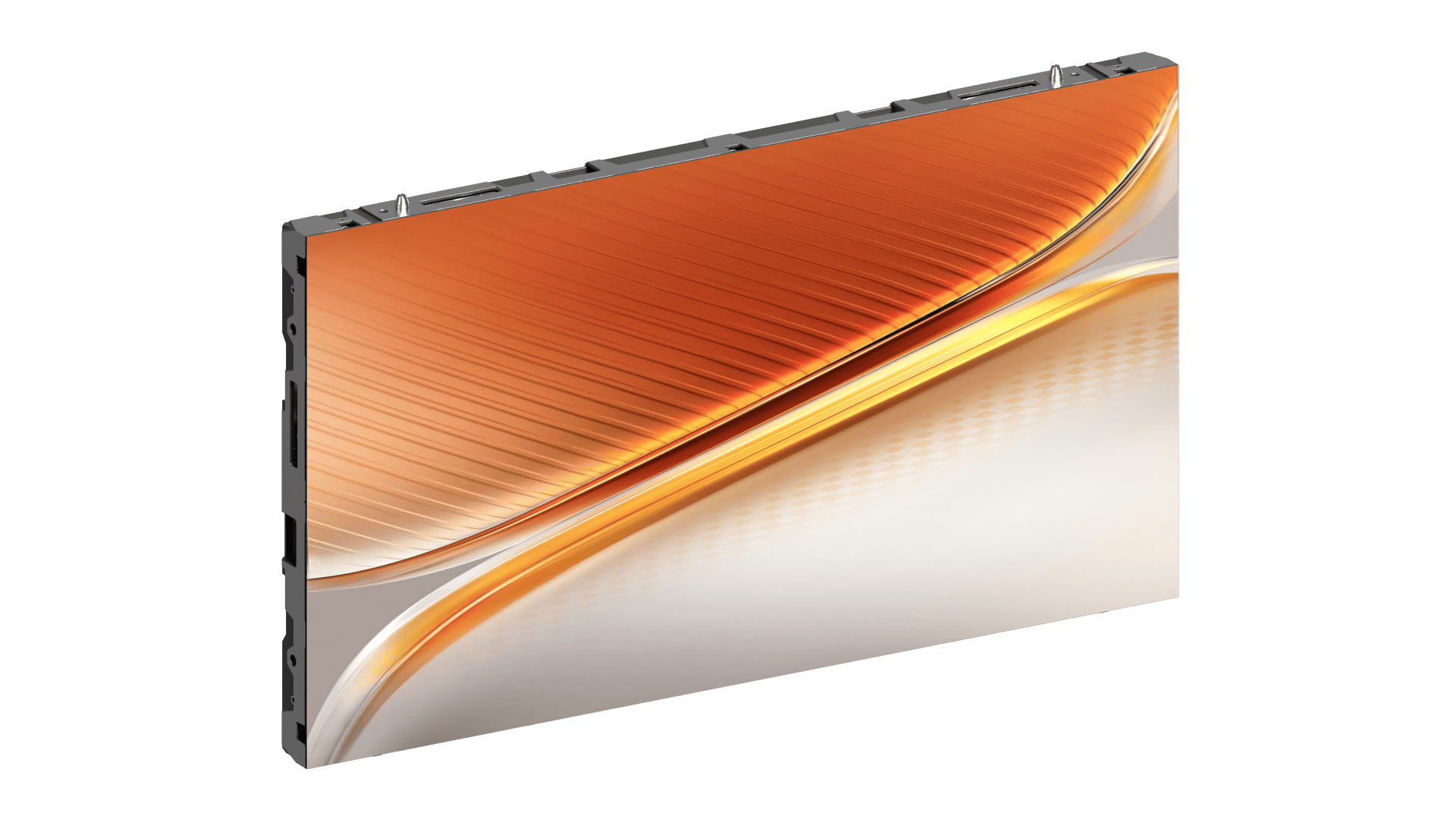
A Pro Series
Firefly’s premier fine pitch display, for signature galleries where image quality has to match the collection.
Best For:
Galleries, Feature Walls
Size(s):
1.97 × 1.11 × 0.14 ft
Pixel Pitch:
0.7, 0.9, 1.2, 1.5, 1.8 mm

Y Series
A flexible panel that curves around walls, columns, and centerpieces, built for immersive rooms where flat won’t work.
Best For:
Immersive Exhibits, Custom
Size(s):
0.98 × 0.55, 1.18 × 0.59 ft.
Pixel Pitch:
0.9, 1.2, 1.5, 1.8, 2.5 mm
C Series
Transparent LED for glass entrances and atriums, so the building stays open to view while the screen tells the story.
Best For:
Entrances, Atriums
Size(s):
3.28 × 9.84 × 0.28 ft
Pixel Pitch:
3.9×7.8 mm
Flyer Series
A slim freestanding display for gallery entrances, ticket lines, and wayfinding, easy to move when exhibits change.
Best For:
Wayfinding, Lobbies
Size(s):
1.99 × 5.81 × 1.64 ft
Pixel Pitch:
0.9, 1.2, 1.5, 1.8 mm
Outdoor Museum LED
O Series
A permanent outdoor display for facades and street signs, built to bring passersby in the door, all day and in every season.
Best For:
Facades, Street Signs
Size(s):
3.15 × 3.15 × 0.26 ft
Pixel Pitch:
6.67, 8, 10 mm
How to Choose an LED Video Wall for Your Museum
Where Visitors Will Stand
Start with viewing distance, since it sets the pixel pitch. Use the 10x Rule: multiply the pitch in millimeters by 10 to get the ideal minimum viewing distance in feet. A lobby wall seen from 15 feet calls for about 1.5 mm. An exterior sign spotted from 80 feet down the block works well at 8 mm, like the one at the Museum of Christian & Gospel Music.
The Shape of the Space
Museum spaces are rarely simple rectangles. A flat wall suits most lobbies and feature walls. Curved rooms, columns, and wraparound exhibits call for the flexible Y Series. Glass entrances and atriums are a natural fit for transparent C Series panels.
The Mood of the Gallery
Many galleries use soft, controlled lighting to set a mood. LED brightness can be turned down to match the room, so a display blends with the space instead of overpowering the objects around it. Plan the screen and the lighting together with your exhibit designer.
Who Will Update the Content
The best video wall still loses its value if the content goes stale. Decide early who will update it and how often: daily schedules, seasonal exhibits, or new donor names. That plan shapes the size, location, and control setup you need.
Access and Service
Once an exhibit is built around a wall, moving things to reach the back of it isn’t practical. Ask about service access before you commit. The A Plus Series, for example, supports both front and rear service, which gives installers more freedom in tight gallery spaces.
Case Study
How a Nashville Museum Turned Foot Traffic Into Ticket Sales
“Most of our traffic is walk-up, and this display is the bait that catches their eye and drags them in.” — Steve Gilreath, Executive Director

FAQ on Museum LED Video Walls
What is a museum LED video wall?
A museum LED video wall is a seamless display built from modular LED panels. Museums use them for immersive exhibits, close-up detail beside artifacts, lobby welcome and wayfinding screens, donor recognition, and exterior signs.
Is LED or projection better for museum exhibits?
Both have a place, but LED avoids two common projection problems. Visitors walking in front of an LED wall don’t cast shadows on the image, and the picture holds up in rooms with windows or brighter lighting.
Can an LED video wall curve around a gallery?
Yes. The Y Series is a flexible panel that bends to follow curved walls, wrap columns, and surround centerpieces, so the display can match the shape of the room.
What pixel pitch is best for a museum?
It depends on how close visitors stand. Using the 10x Rule, a 1.5 mm display looks its best from about 15 feet away. Exhibit screens viewed up close need a finer pitch, while exterior signs seen from down the street can use a larger one.
Can museum staff update the content themselves?
Yes. Content runs through a sending controller connected to a computer, so staff can swap in new exhibit videos, schedules, and donor names without calling in an installer.
Can a museum use an outdoor LED sign?
Yes, though many cities limit digital sign size, placement, and brightness, especially in historic districts. Check local sign codes early and work with an experienced sign partner. See how one Nashville museum did it.
Learn More About LED Displays

Contact Us
Planning a new exhibit, lobby refresh, or exterior sign? Tell us about your space and what you want visitors to experience, and an expert from the Firefly LED team will help you find the right display.