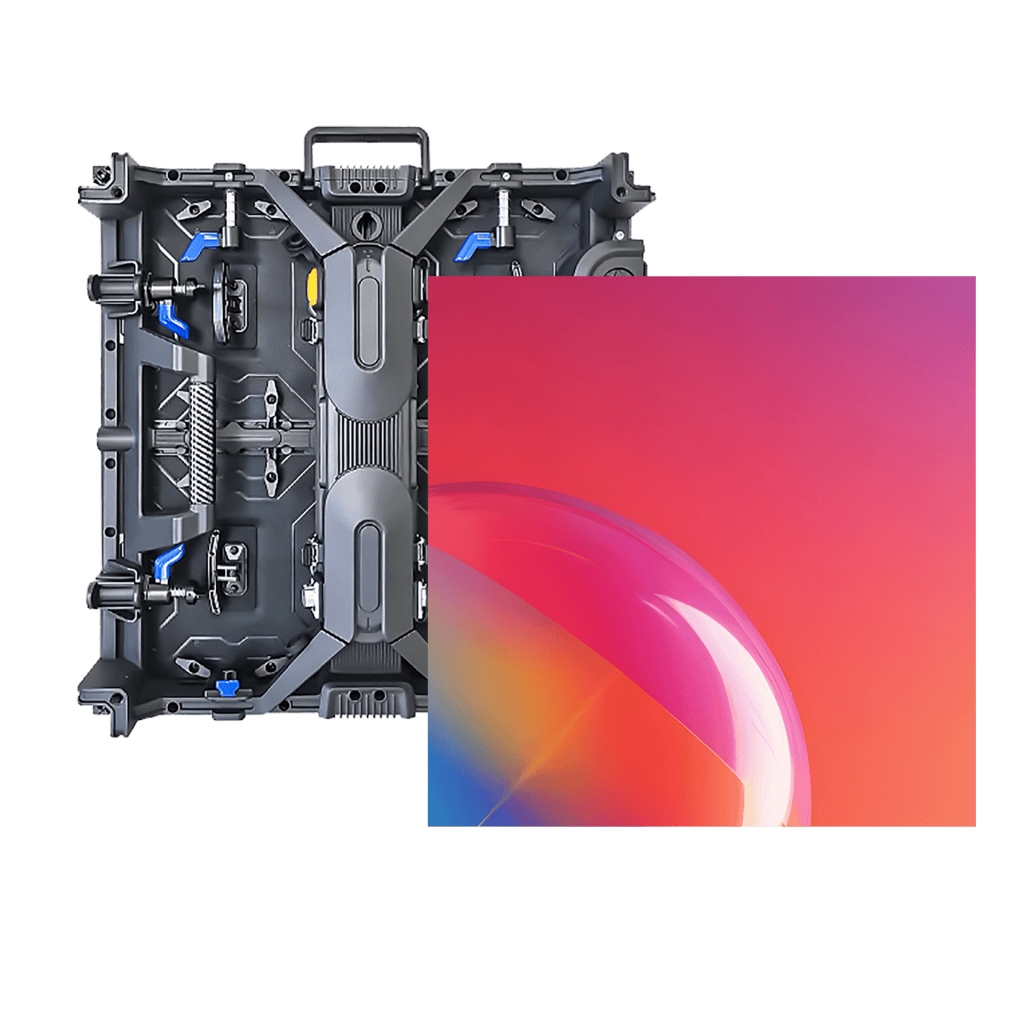

LED displays have already transformed from simple numeric indicators into today’s high-resolution, full-color panels used everywhere from sports arenas to corporate lobbies. But the next wave of LED technology is already taking shape — driven by advances in pixel size, transparency, and intelligence that will reshape what’s possible over the next few years.
Micro-LED Is Closing In on Mainstream
Micro-LED technology uses dramatically smaller LED chips than today’s standard panels — small enough that manufacturers can pack far more pixels into the same physical space. That translates directly into tighter pixel pitch, which is what lets a display look sharp even when viewers stand close to it, rather than needing distance to blend the pixels together.
This has historically been expensive and hard to manufacture at scale, which is why micro-LED has mostly stayed in research labs and premium consumer TVs. That’s changing. Market analysts project the Mini LED display market could reach $1.85 billion by 2027, with Micro LED climbing to $406 million in the same window, driven largely by demand for sharper indoor commercial displays. For businesses planning an LED investment, this means pixel pitch options will likely keep getting finer and more affordable, letting large displays deliver sharper images at closer viewing distances without needing to scale up in physical size.
Transparent Displays Are Moving From Novelty to Storefront
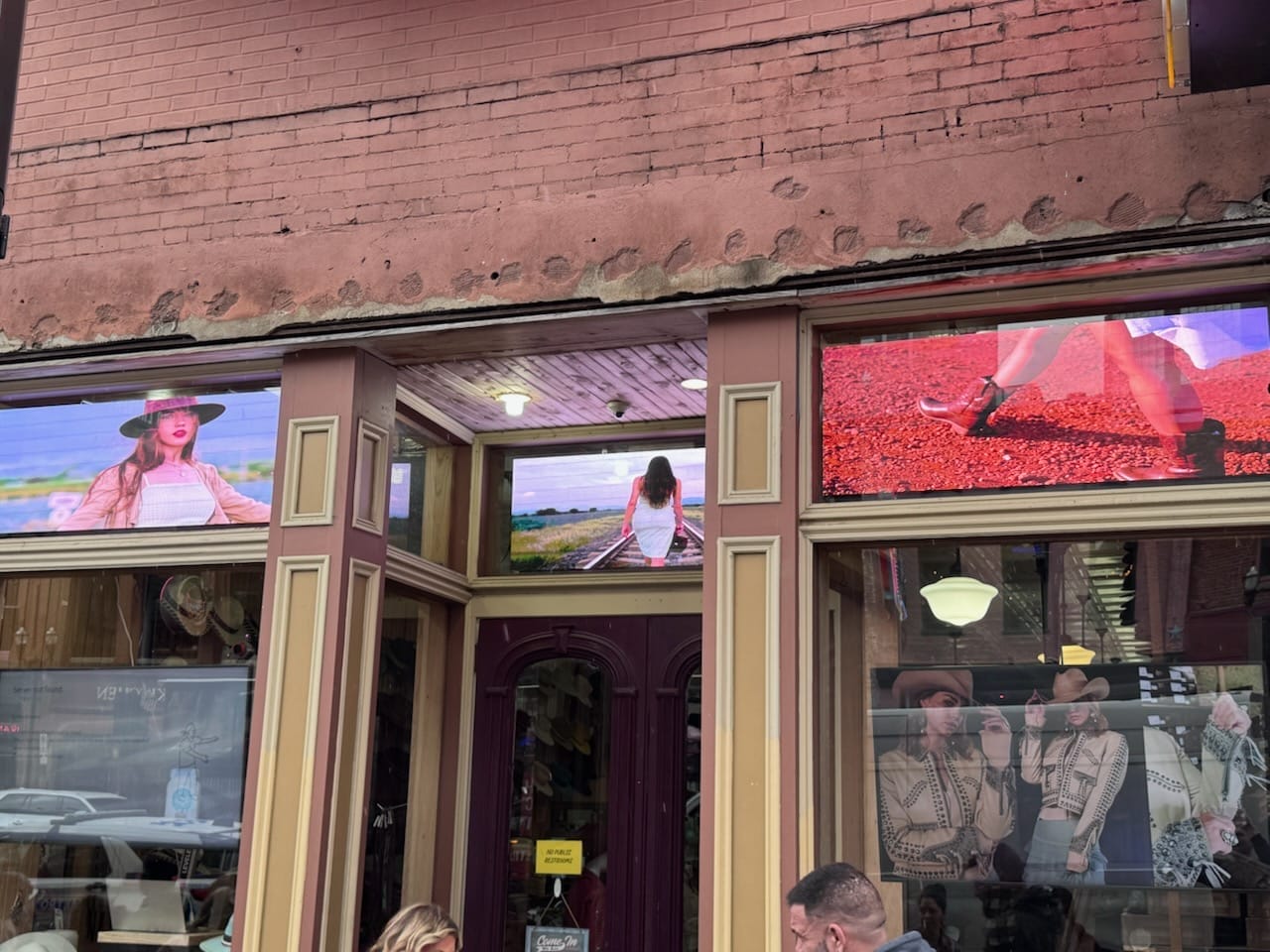
Transparent LED panels use sparsely arranged LED pixels mounted on a clear substrate, so the display is see-through when it’s off and shows bright, full-color content when it’s on — without blocking the light or foot traffic behind it. That makes it useful in places where a solid panel would get in the way: storefront windows, glass facades, and architectural installations where you still want people to see through to the space beyond.
It’s one of the fastest-growing segments in the display market, with the global transparent display market projected to grow from roughly $412 million in 2024 to over $700 million by 2031. Retail and hospitality are the biggest drivers, since brands can add digital content to glass surfaces without sacrificing the window itself. Expect transparent displays to show up more often in retail and hospitality spaces over the next few years, not just flagship installations.
Smarter Panels: Per-Pixel Intelligence
Most LED displays today process image data at the panel or module level, sending the same timing and calibration instructions to large blocks of pixels at once. The newest generation of LED technology pushes that intelligence down to the individual pixel, so each one is calibrated and controlled independently.
Cree LED’s recently announced OptiLamp technology is a good example: it gives displays true 1-to-1 scan operation, eliminating common artifacts like scan lines and image tearing, while also improving brightness and color accuracy. Instead of trading off image quality against energy efficiency, per-pixel control lets manufacturers improve both at once. As this becomes more standard across the industry, expect new displays to get sharper and more color-accurate while also using less power, not one at the expense of the other.
Displays That Adjust Themselves
The fourth big shift is less about the panel hardware and more about what controls it. AI-driven systems are increasingly built into LED video walls and digital signage to automatically adjust brightness, color, and even content based on real-world conditions, instead of relying on a fixed preset someone configured once and forgot about.
In practice, this looks like a display that dims automatically as ambient light changes throughout the day, or a retail screen that senses how close a viewer is standing and simplifies its content and font sizes for a quick glance versus a longer look. Corporate and collaboration spaces are starting to use similar automation to reconfigure a video wall’s layout depending on whether it’s running a presentation, a video call, or digital signage. None of this requires the viewer to interact with anything — the display adjusts on its own, which is the point.
What This Means for You
None of these developments are years away — they’re already shipping in early products and shaping what manufacturers are building toward next.
If you’re planning an LED display investment, it’s worth asking your provider about pixel pitch roadmaps, transparent display options, per-pixel control technology, and whether the display can support automated content or brightness adjustment. These are the areas where the biggest jumps in image quality, efficiency, and day-to-day usefulness are happening right now.
We can’t wait to see what comes next.